

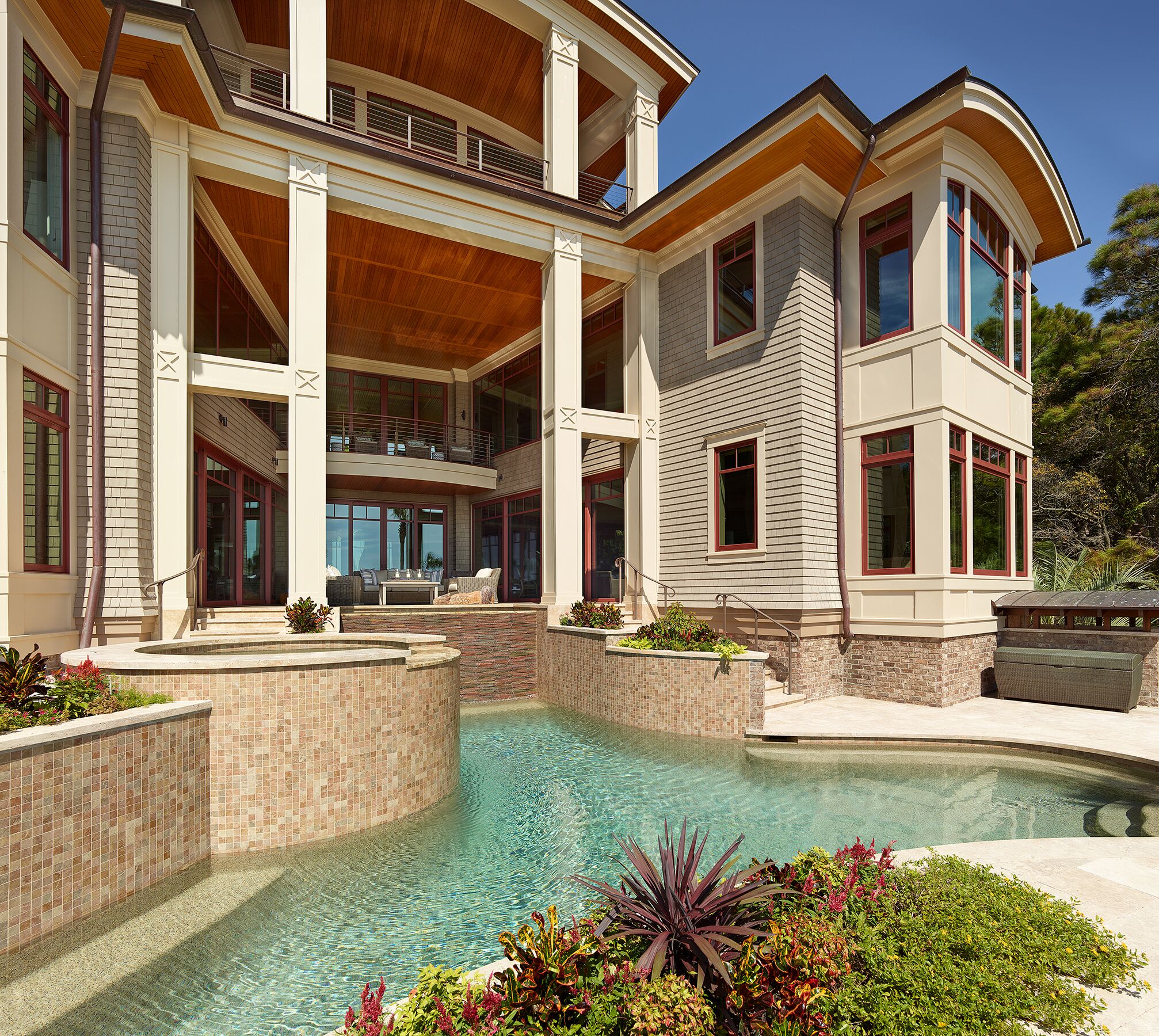
A bespoke swimming pool starts as an idea and ends as a lasting feature of your home. Between those two points sits a long chain of decisions about design, engineering, materials, and timing. Homeowners who understand that chain early make better choices and avoid costly surprises. This article explains how luxury residential pool construction moves from first sketch to final water test.
Key Takeaways
- A bespoke pool project begins with a clear brief that covers lifestyle, budget, and site conditions.
- Soil testing and survey work shape the structural design before any excavation starts.
- Permits and engineering approvals take time, so they belong at the start of the schedule.
- Concrete spraying for luxury pools creates a dense, seamless shell that follows complex shapes.
- Equipment, finishes, and lighting should be selected as one system rather than as separate purchases.
- Staged inspections protect quality at each phase of the build.
- A realistic timeline and a contingency budget keep the project steady when conditions change.
Defining the Vision and Brief
Every strong project starts with a conversation. Specifically, a designer needs to know how you plan to use the pool. A family with young children needs different depths and entry points than a household that wants a lap lane or a spa.
In addition, the brief should state a budget range, a preferred style, and any maintenance limits. For example, some owners want a natural stone look, whereas others prefer clean geometric lines. Clear answers at this stage reduce redesign work later.
Reading the Site Before Drawing the Plan
A pool must suit the land it sits on. Therefore, designers order a topographic survey and a geotechnical report early. The survey maps slopes, boundaries, and existing structures. The soil report reveals clay, rock, or groundwater that affects the shell design.
Moreover, access matters. Excavators and concrete trucks need a clear path to the site. If the route is narrow, the contractor may need smaller machines or a different delivery method. Indeed, early site planning often saves weeks of delay.
Creating the Design and 3D Concept
Once the site data arrives, the design team develops layouts. Most studios present a plan view, elevations, and a 3D render. These visuals let you judge proportions, sight lines, and the relationship between the pool and the house.
Furthermore, the design should address the surrounding space. Decking, steps, planters, and shade structures all influence how the pool feels. As a result, a coordinated concept looks more intentional than a pool dropped into a lawn.
Permits, Engineering, and Approvals
Local authorities usually require engineered drawings before work begins. These drawings cover structural loads, reinforcement, drainage, and safety barriers. Additionally, some areas demand electrical and plumbing approvals from separate departments.
Approval times vary widely. Consequently, experienced builders submit documents as soon as the design is stable. A clear submission with complete details tends to move faster than a rushed one with gaps.
Excavation and Structural Shell
Excavation turns the drawings into a physical shape. Crews mark the outline, dig to the specified depth, and shape the base. They then install steel reinforcement bars in a tight grid that defines the pool walls and floor.
At this point, the shell method matters. Concrete spraying for luxury pools fires concrete at high pressure onto the steel frame. The process packs the material densely, so it supports curves, raised walls, and vanishing edges with ease. Moreover, it avoids the joints that formwork can leave behind.
Plumbing, Equipment, and Technology
Hidden systems decide how well a pool performs every day. Pipework, pumps, filters, heaters, and sanitation units must match the pool volume and the intended use. Specifically, undersized equipment struggles to keep water clear, whereas oversized units waste energy.
In addition, modern pools often include automation. Owners can control temperature, lighting, and water features from a phone. Therefore, the electrical plan should allow for these controls before the shell is poured.
Finishes, Tiles, and Lighting
Surface choices shape both the look and the feel of the pool. Options include polished plaster, glass mosaic, natural stone, and pebble blends. Each material differs in texture, durability, and cost.
For instance, glass tile reflects light beautifully but needs careful installation. Meanwhile, pebble finishes grip underfoot and resist wear. Lighting completes the picture. Underwater LEDs, path lights, and feature spotlights set the mood after dark.
Quality Control Through Each Phase
Good builders inspect work at set milestones. Common checkpoints include the steel inspection, the shell cure, the plumbing pressure test, and the finish review. Each check confirms that the previous stage meets the specification.
Nevertheless, owners should stay involved. Visit the site regularly, ask for photos, and request written sign-off at each milestone. In other words, steady oversight keeps standards high and records clear.
Budget, Timeline, and Contingency Planning
A full bespoke project often runs several months, and complex designs take longer. Weather, material supply, and approval delays all affect the schedule. Accordingly, build a buffer into both time and money.
Many advisors suggest setting aside a contingency of ten to fifteen percent of the budget. This reserve covers unexpected rock, design changes, or upgraded finishes. Not only does it reduce stress, but it also keeps the build moving.
Choosing the Right Construction Partner
The builder shapes the final result more than any single material. Review past projects, speak with former clients, and confirm licenses and insurance. Furthermore, ask who will supervise the site daily.
A reliable partner explains each step in plain language. They also provide clear contracts, itemized pricing, and warranty terms. Consequently, you gain confidence long before the first bucket of soil is moved.